

















Sweater weather isn’t always as cozy as we might think. It is statistically shown that up to 44 percent of college students struggle with Seasonal Affective Disorder, also known as SAD. Many students both who struggle with mental health and those who don’t, recognize a large decline mentally when seasons change, especially during the transition into Brockport’s notorious and dreary months of winter.
Graduate Assistant at the Health Promotion & Prevention Education, also known as HPPE, Emily Sperber explains the impact that SAD has on individuals.
“I think that a lot of people are affected by it without even realizing it,” Sperber said. “If we’re living within the winter season it’s appropriate to just kind of slow down and take a step back, and there’s a gray area in between. Slowing down for winter and being depressed, or isolated.”
Many students may be affected by SAD without recognizing that the “sadness” that they feel in the cold and dark months is something more than just being sad. The darkness of Upstate New York affects us drastically, with piles upon piles of snow and dark cold nights. And after a while of no warm weather during the late fall and early spring semesters, students find themselves having a hard time getting out of bed and to class.
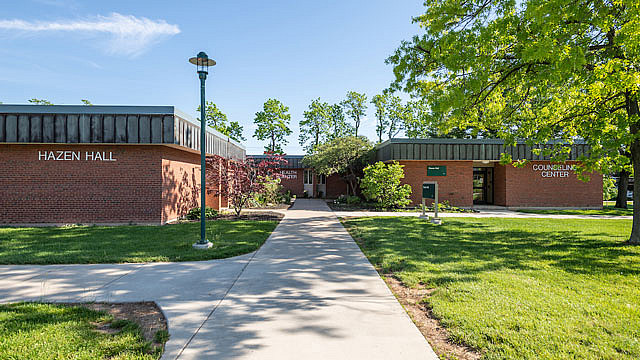
Director of Counseling at Hazen Integrated Care Center Darlene Schmitt touched on some of the many reasons why people may be experiencing SAD.
“I know that it has higher rates in younger people … it starts typically when the clocks turn back,” Schmitt said. “It’s the lack of sunlight, the lack of Vitamin D and the lack of physical activity outside. The “hibernation” feeling you know?”
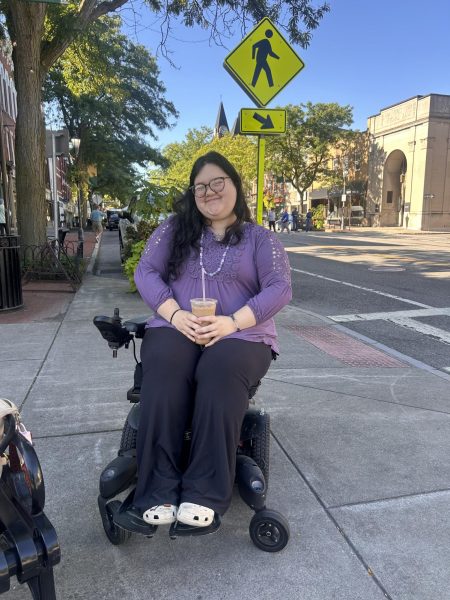
Everyone’s experience with SAD is different, many finding it hard to cope with the decline in their mental health. An anonymous student who will be referred to as, Fiona Smith, experiences SAD explains how it affects them.
“In my experience, it’s just, I like doing things outside. I like going on hikes, like, that’s very good for my mental health,” Smith said. “When it’s cold outside, that becomes challenging. It’s hard going outside and not seeing green everywhere, there not being leaves on the trees, and there being snow, or ice, or that gross slush everywhere.”
Smith is not alone. Many students and members of our community love being outside and spending as much time as possible out in the sun. Struggling with SAD is never anything to be ashamed about, especially when so many young people, such as this student, are struggling too.
Smith goes on to share some tips for those who also may be struggling with SAD from their many years of experiencing it.
“Spend time with friends. Go out with people. Do the things you enjoy. Watch your favorite movies or rewatch a comfort show. When you can try to go outside, even if it’s just a short walk or walking to class just try not to bed rot,” Smith said.
Smith explains how bed rotting in the winter is an extremely common experience for most students during the winter. Bed rotting is a term used a lot by young people to describe spending all day lounging in bed, usually either scrolling on social media or watching television.
“Bed rotting and doomscrolling happens a lot in the winter because you have nothing else to really do. Your mental health dips even more because you’re not really socializing as much, you just sit on your phone for hours on end. I think doing less of that can also help at least a little bit,” Smith said.
Taking the winter to prioritize oneself, falling back in love with hobbies, spending time with loved ones, and putting the phone down for just a bit are all very helpful tools that can be used as a way to cope with the sadness that comes with winter.
In a cold climate such as SUNY Brockport’s campus, besides self-care tips and spending time with friends, what are some resources provided to those students who may be struggling during the change of seasons on campus?
Sperber and Schmitt both introduce a new resource that only started being provided early this semester. This resource is also included in every SUNY Brockport student’s Student Health fee: an app called Timely Care.
Sperger expands on the ins and outs of the health platform Timely Care.
“It is 24/7 Healthcare and Mental Health care…So, folks who are in crisis, need cream for a rash urgently, antibiotics for a sore throat, they can access care through Timely Care 24/7. And that’s [Timely Care] totally free! They don’t need to use insurance,” Schmitt said. “They have other resources on the platform… you can meet with like a dietitian or there’s online self-guided sorts of things you can do to learn more about self-care.”
Timely Care is a free resource to all students that is available in the Apple and Google Play store. Not only does it provide timely mental and basic healthcare, also provides mini breathing exercises and meditations, tips for self-care and dietary support. Some other on Campus resources includes but are not limited to Hazen Integrated Health and Counseling Center, Hartwell Hall Walk-in Clinic and the HPPE Center located in Dailey Hall. Resources like the new to Brockport platform Timely Care, can provide services outside on campus resources during regular business hours.
SAD can be challenging during the New York’s long and cold winter. As spring approaches, the upcoming Spring Break may provide students with time to rest, recharge and take a break from academic pressures.