










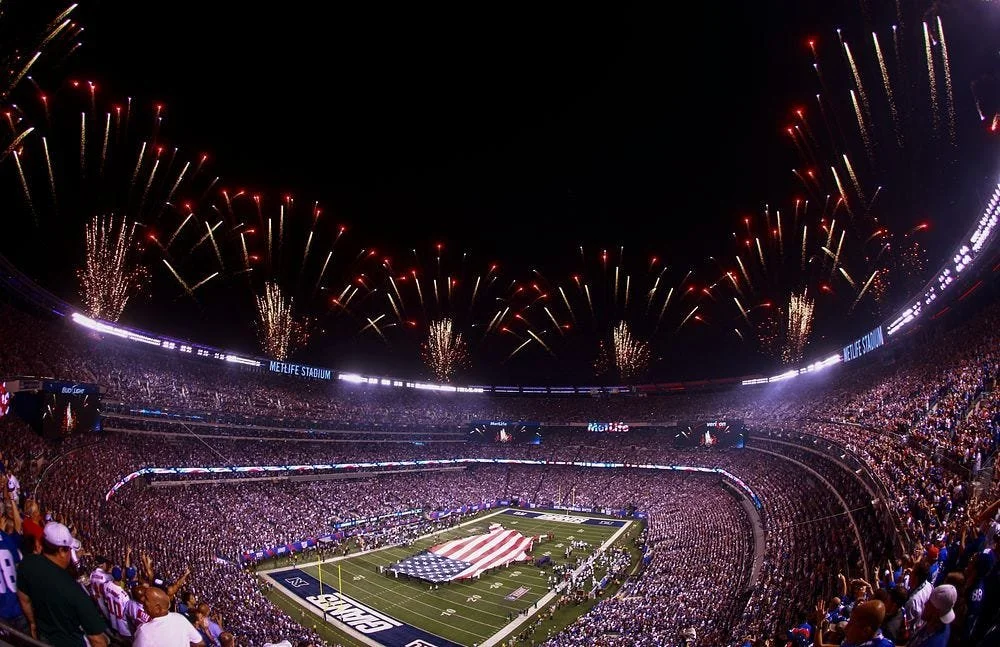
When Bad Bunny took position on the field during the 2026 Super Bowl, it was at once clear that this performance was not meant to simply entertain. Although the Apple Music Super Bowl Halftime Show has always had cultural representation, Bad Bunny’s set design and music set a new level of belonging on the biggest stage standing for his identity and culture.
With over 135 million viewers, Bad Bunny used this opportunity to proudly celebrate the Puerto Rican and Latino culture at the most-watched sporting event in America. The Super Bowl is not just for mainstream English viewers but now embraces a more diverse demographic.
In the beginning of the performance, Bad Bunny centered his performance around his culture. Instead of giving in to the English-speaking expectations the American media hoped for, the majority of his performance was performed in Spanish. This signaled that Hispanic/ Latino culture, music and language are no longer on the outside of American culture, but at its peak.
Paying tribute to his homeland, Puerto Rico, the stadium was filled with jibaros (rural farmers) in pavas (straw hats) working in sugar cane fields, food stands, men playing dominoes, women doing nails, omen sitting on cinder blocks, piraguas stands, taco stands, men boxing, jewelry stands and a casita. Each one of these sets had a cultural and physical representational meaning. The sugar cane field was a representation of exploitation of what Puerto Rico used to be and how Puerto Rico has grown. The Little pink house “casita” stood for a replica of what houses in Puerto Rica look like with people dancing around it joyously as a community. During the electric pole segment of the show represents the power outage during hurricane Maria and the resilience the community had to go through to restore Puerto Rico because of the neglect of FEMA (Federal Emergency Management Agency). The Latino businesses Bad Bunny sponsored during the Super Bowl represented resilience, hustle, and economic life in Puerto Rico. And finally, he ended off halftime with a diaspora of different flags from different countries from North, Central, and South America with the quote, “Together, we are America” saying that North and South America is one United States of America.
Although he steered away from political output, the show’s message was clearly a hint at where the world is politically. Especially during a time where immigration and legal belonging are big issues for the community, but Bad Bunny’s performance advocates for Latinos’ existence.
After the performance the media reaction ranged from happiness to backlash, without understanding the importance of the moment. The halftime show sparked a cultural discussion quickly about social values, politics and identity, challenging the musical entertainment point of view.
Bad Bunny’s halftime show will be one of the few Super Bowl Half-time Shows that will be remembered as a powerful cultural milestone in history. This performance refined what mainstream entertainment in America can look like. Bad Bunny did not just perform in front of a huge crowd, he showed why Latino representation matters and the structural barriers the community is facing.